
You’ve done your research. You’ve looked at before-and-after photos. You’ve thought seriously about a mommy makeover. Then one question sneaks in and stays: “What about the scars?”
It’s one of the most common concerns we hear at Toronto Cosmetic Clinic, and it’s a completely valid one. Scars are real. Every procedure that involves an incision will leave one. But the full picture is a lot more reassuring than most people expect.
Before diving into the facts, it helps to understand what a mommy makeover actually involves. If you’re still exploring your options, read more about mommy makeover procedures to get the full picture on what’s included and what to expect.
Fact #1: Yes, Scars Are Part of the Process (But They’re Placed Strategically)
Let’s be upfront: any procedure that involves cutting skin will leave a scar. What matters is where those scars land and how well they heal. Board-certified plastic surgeons plan incision placement carefully, positioning cuts in areas that are naturally hidden by clothing, underwear, or the body’s own contours.
Here’s where scars typically fall for each procedure in a mommy makeover:
|
Procedure |
Typical Scar Location |
Concealment Strategy |
|
Tummy Tuck |
Hip-to-hip low abdomen + possible belly button |
Below bikini/underwear line |
|
Breast Augmentation |
Inframammary fold or periareolar |
Hidden in crease or around nipple |
|
Breast Lift |
Lollipop or anchor pattern |
Follows breast contours |
|
Liposuction |
Small punctures in natural folds |
Minimal, fade quickly |
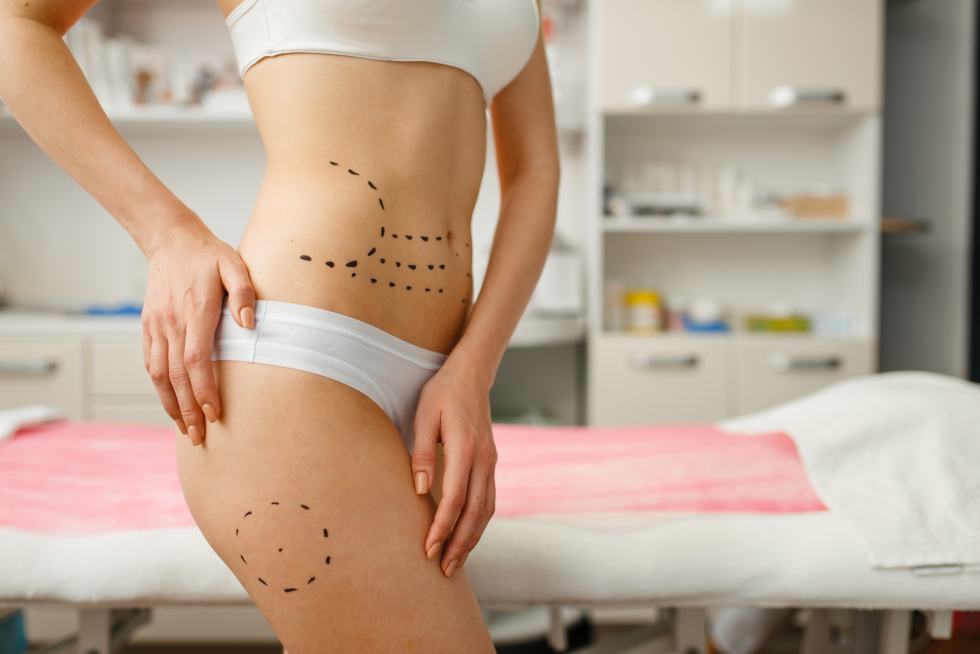
For a tummy tuck specifically, the primary scar runs low across the abdomen, hip to hip, sitting below where underwear and most swimwear sits. There may also be a small circular scar around the navel. Both are planned to stay out of sight.
Fact #2: Scars Go Through Predictable Stages (And Most Fade Significantly)
Scarring is not static. It changes over months, and most patients see meaningful improvement once the healing process runs its full course. Here is what that process generally looks like:
The Healing Timeline at a Glance
• Weeks 1-4: The scar is red, slightly raised, and in its initial closure stage. This is normal and expected.
• Months 2-6: Still visible, but beginning to soften. The color starts shifting and the texture begins to smooth.
• Months 6-12: Significant fading begins. Most patients notice the scar flattening and blending more with surrounding skin.
• 12-18 Months and Beyond: Full maturation. For most patients, what remains is a thin, pale line, much less noticeable than in the early stages.
Swelling can also obscure how scars look in the first several months. As it resolves (which typically takes anywhere from 3 to 12 months depending on the procedure), the final result becomes much clearer.
The takeaway: Scars at 6 weeks look very different from scars at 18 months. Judging healing too early is one of the most common mistakes patients make.
Fact #3: Several Factors Influence How Your Scars Heal
Not every patient heals the same way. Some of that comes down to the surgeon’s technique. But a significant portion comes down to biology and lifestyle. Here’s what the evidence shows:
|
Factor |
Impact on Scar Healing |
Evidence Level |
|
Smoking |
Delays healing, worsens quality by reducing blood flow and collagen production |
Strong |
|
Sun/UV Exposure |
Increases pigmentation, can cause permanent darkening if unprotected |
Strong |
|
Genetics |
Predisposition to keloids or hypertrophic scars, especially in certain ethnic backgrounds |
Strong |
|
Skin Type |
Darker skin tones (Fitzpatrick IV-VI) more prone to pigmentation changes or raised scars |
Established |
Sources: PMC/NIH (evidence on scar factors, 2019); American Society of Plastic Surgeons (ASPS) publications.
What You Can Control
• Quit smoking before surgery. This is consistently one of the most significant things a patient can do. Surgeons at Toronto Cosmetic Clinic will typically ask patients to stop smoking well in advance of any procedure.
• Protect scars from sun exposure. UV light hitting a healing scar can cause hyperpigmentation that becomes permanent. SPF and coverage are essential during recovery.
• Follow post-op care instructions closely. Nutrition, hydration, and wound care all play a supporting role in how well skin heals.
What to Discuss if You Have a History of Keloids
Patients with African, Asian, or certain other ethnic backgrounds may have a genetic tendency toward keloid or hypertrophic scarring. This does not automatically disqualify anyone from surgery, but it is a critical conversation to have during your consultation. Your surgeon can factor this into the planning process and discuss appropriate scar management approaches.
Fact #4: Surgeons Have More Tools Than Ever to Minimize Scarring
Modern plastic surgery has come a long way in how incisions are made, closed, and supported during healing. Here is what board-certified surgeons are doing today to reduce visible scarring:
Surgical Techniques
• Strategic incision placement: Cuts are made inside natural creases, folds, and contour lines, reducing visibility from the start.
• Progressive tension sutures: Used in tummy tuck procedures, this technique distributes tension across the wound rather than concentrating it at the closure point. It often eliminates the need for surgical drains and generally supports better healing.
• Minimal-scar breast lift methods: Newer approaches to breast lifts aim to reduce the overall incision length while maintaining the outcome.
• Precision tools like ultrasound-assisted liposuction: Less tissue trauma means less scarring at access points.
2025-2026 Advances Worth Knowing About
Recent publications and updates from plastic surgery associations highlight a few notable advancements that are improving patient outcomes:
• PRP (Platelet-Rich Plasma) Therapy: Used post-operatively to accelerate tissue regeneration and reduce bruising, contributing to cleaner healing.
• ERAS Protocols (Enhanced Recovery After Surgery): Multi-modal optimization that includes pre-op nutrition, targeted pain blocks, and coordinated recovery planning. The goal is a better environment for the body to heal.
• Regenerative adjuncts: Emerging use of stem cell-based approaches to improve overall skin quality during healing.
These aren’t experimental concepts. They reflect where the field is heading based on real clinical developments, and they’re worth asking about during your consultation.
Fact #5: Scar Management Is a Real (and Effective) Part of Recovery
The work doesn’t stop when surgery ends. What you do in the months that follow has a real impact on how scars look long-term. There are both professional and lifestyle-based options that support better outcomes.
Professional Options (Under Surgeon Guidance)
• Silicone sheets and gels: One of the most widely recommended post-op tools for flattening scars and normalizing color.
• Laser therapy: Used to improve texture and reduce redness or discoloration in maturing scars.
• Microneedling: Stimulates collagen remodeling, which can smooth out scar texture over time.
• Corticosteroid injections: Specifically helpful for raised or hypertrophic scars that aren’t flattening on their own.
Lifestyle Supports That Actually Make a Difference
• Quit smoking before and after surgery
• Apply SPF consistently to any scar exposed to sunlight
• Stay hydrated and maintain nutrition during recovery
• Follow all wound care instructions from your surgeon
During your consultation at Toronto Cosmetic Clinic, your surgeon will review your skin type, health history, and goals to discuss which scar management approach fits your specific situation.
What to Realistically Expect From Your Scars
It can feel uncertain when you’re weighing all the factors. Scarring is one part of the bigger picture, which also includes recovery time, results, and overall candidacy. If you haven’t already, learning about the full scope of breast augmentation as a component procedure can help you understand what’s involved from incision to outcome.
At Toronto Cosmetic Clinic, we try to set clear expectations from the start. Some things we hear often:
• “Will the scars be invisible?” Not completely. But with good placement and proper care, they tend to be very manageable for most patients.
• “How long before I can wear a swimsuit without worrying?” That varies by person, but by 12 to 18 months, most scars have matured significantly.
• “Does skin tone matter?” Yes, to an extent. Patients with deeper skin tones may need additional scar management planning, which is something to address during consultation.
3D imaging tools increasingly allow surgeons to preview likely outcomes before surgery. If that’s something you’re curious about, ask during your consultation at Toronto Cosmetic Clinic.
Ready to Get Real Answers? Here’s What to Do Next
Scars from a mommy makeover are real, but they’re also predictable, manageable, and for most patients, far less visible than they expected once healing runs its course.
The five things worth remembering:
1. Scars are always placed strategically to stay hidden under clothing and swimwear.
2. They go through distinct stages, and full maturation takes 12 to 18 months or more.
3. Factors like smoking, sun exposure, genetics, and skin type all play a role.
4. Modern surgical techniques and 2025-2026 advances are making outcomes better than ever.
5. Scar management is an active process with real, effective options.
If you’re in Toronto, North York, or anywhere in Canada or the US and you’re considering a mommy makeover, the best next step is a conversation with a qualified, board-certified plastic surgeon who can review your individual anatomy and goals.
Frequently Asked Questions
How long does it take for mommy makeover scars to fade?
Most scars go through significant fading between 6 and 12 months post-surgery. Full maturation generally takes 12 to 18 months, and sometimes longer depending on the individual. Scars at 6 weeks look very different from how they look at 18 months, so patience through the process is important.
Can mommy makeover scars be completely removed?
Scars cannot be completely removed, but they can be significantly improved with the right management. Options like silicone sheets, laser therapy, microneedling, and corticosteroid injections can all help reduce visibility. The goal is a thin, pale, well-concealed scar, not a scar-free outcome.
Where are mommy makeover scars located?
Placement depends on which procedures are included. Tummy tuck scars typically run low across the abdomen, hidden below the bikini or underwear line. Breast procedure scars follow natural contours around the areola, under the breast fold, or along the breast crease. Liposuction leaves very small puncture marks in natural skin folds.
Does skin tone affect how mommy makeover scars heal?
Yes. Patients with deeper skin tones (Fitzpatrick IV-VI) may be more prone to pigmentation changes, keloid formation, or hypertrophic scarring. This does not prevent candidacy, but it does make discussing scar management planning during consultation especially important.
What can I do to improve how my scars heal?
Quitting smoking before and after surgery is one of the most impactful steps. Protecting scars from sun exposure, following your surgeon’s wound care instructions, staying hydrated, and maintaining good nutrition all support better healing. Your surgeon at Toronto Cosmetic Clinic can outline a specific post-op care plan based on your skin type and procedure.
Are there new techniques in 2025-2026 that improve scarring outcomes?
Yes. Recent advancements include progressive tension sutures in tummy tuck procedures (which often eliminate the need for drains), PRP therapy for faster tissue regeneration, ERAS protocols for optimized recovery environments, and minimal-scar breast lift approaches. These are worth asking about specifically during your consultation.
Is Toronto Cosmetic Clinic a good option for a mommy makeover in Toronto or North York?
Toronto Cosmetic Clinic is a physician-directed plastic surgery clinic in North York, Ontario, with board-certified plastic surgeons experienced in combination body procedures including tummy tucks, breast augmentation, breast lifts, and liposuction. If you are considering a mommy makeover in the Toronto area, reaching out to book a consultation is the best way to understand whether it’s the right fit for your goals.