
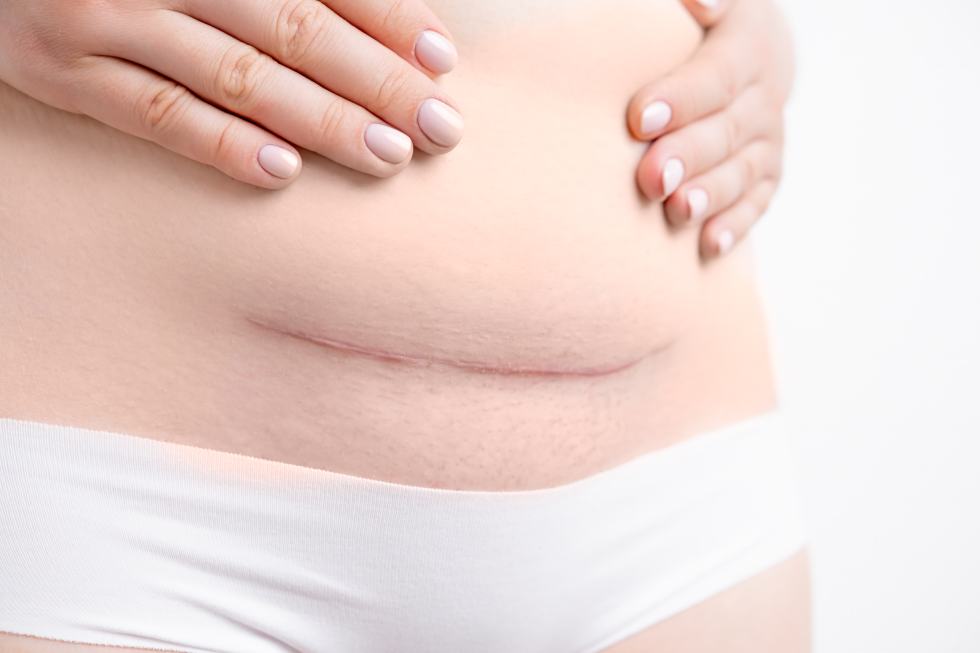
You’ve been through pregnancy, delivery, and sleepless nights with your new baby. Now you’re looking in the mirror and wondering when you can safely address the physical changes that came with motherhood.
If you deliver via C-section, the question of timing for a mommy makeover becomes even more important. Your body needs proper healing time, but how long is long enough?
At Toronto Cosmetic Clinic, we help many mothers in Toronto and North York understand when it’s medically safe to pursue body contouring procedures after cesarean delivery. Here’s what you should know about timing your transformation.
Understanding the Recommended Waiting Period
Most board-certified plastic surgeons recommend waiting 6-12 months after your C-section before scheduling a mommy makeover in Toronto. This isn’t an arbitrary timeline. Your body goes through significant changes during this period that directly affect surgical safety and results.
The American Society of Plastic Surgeons states: “Any reputable plastic surgeon will require you to wait at least six months after giving birth before having invasive plastic surgery. This will give your abdominal tissue a chance to heal fully before you have a tummy tuck.”
During these months, several important processes occur:
Your incision fully heals. The initial 6-8 weeks sees surface healing, but true scar maturation takes up to 12 months. Rushing into surgery before this process completes can lead to complications like poor scarring or wound healing issues.
Hormones stabilize. Postpartum hormonal fluctuations affect everything from fluid retention to tissue quality. Waiting allows your body to return to a more predictable baseline.
Weight naturally stabilizes. Most women experience ongoing weight changes in the first several months after delivery. Operating before your weight settles can compromise your final results.
Why Breastfeeding Adds Extra Time
If you’re breastfeeding, the timeline extends beyond the standard 6-12 months. For breast-related procedures like augmentation or lifts, you’ll want to add 3-6 months after you’ve completely stopped nursing.
Here’s why this matters: lactation causes significant breast volume fluctuations. Your breast tissue needs time to settle into its new normal after weaning. Operating too soon means your surgeon is essentially hitting a moving target, which can lead to sizing issues or the need for revision surgery down the road.
At Toronto Cosmetic Clinic, we typically recommend that mothers who’ve breastfed wait until their breasts have maintained consistent size and shape for at least three months. This ensures the best possible outcome for procedures like breast augmentation.
What Your Body Goes Through After C-Section
Understanding the healing process helps explain why patience pays off. A cesarean delivery is major abdominal surgery, and your body needs time to recover properly.
Scar tissue formation begins immediately. Unlike a natural birth, a C-section creates internal adhesions and scar tissue that can complicate future abdominal procedures. If you’ve had multiple cesareans, this becomes even more pronounced. Surgeons need specialized techniques to work through this scar tissue during a tummy tuck, and waiting ensures these tissues have fully matured.
Muscle separation needs assessment. Up to 60% of postpartum women experience diastasis recti (the separation of abdominal muscles). This condition often worsens with multiple pregnancies and can’t be accurately evaluated until several months postpartum. A tummy tuck can repair this separation, improving core strength and reducing back pain, but only if performed at the right time.
Uterine involution takes months. Your uterus needs to shrink back to its pre-pregnancy size, a process that continues well beyond the traditional six-week postpartum checkup.
Factors That Influence Your Personal Timeline
While 6-12 months serves as a general guideline, your specific situation determines when you’re truly ready. During consultations at Toronto Cosmetic Clinic, we evaluate several key factors:
Diastasis Recti Severity
That persistent “mommy pooch” often results from separated abdominal muscles rather than just excess fat or skin. Mild cases may improve with targeted exercises, but moderate to severe separation (common after multiples or C-sections) typically requires surgical repair during a tummy tuck.
Number of Previous Pregnancies
Multiple deliveries compound the physical changes. More pregnancies generally mean greater skin laxity, more pronounced stretch marks, and increased muscle damage. Women with several children often need more comprehensive procedures, which may influence timing recommendations.
Your C-Section Scar
The quality and location of your cesarean scar matters. Multiple C-sections create layers of scar tissue that require advanced surgical techniques. During a tummy tuck, surgeons typically excise the old C-section scar and position the new incision lower for better concealment under underwear or swimwear.
Overall Health Status
Smoking significantly impairs healing and increases complication risks. If you smoke, you’ll need to quit well before surgery. Other health conditions like diabetes or autoimmune disorders may require additional clearance or extended waiting periods.
Future Family Plans
This is perhaps the most important consideration. Pregnancy after a mommy makeover can stretch repaired muscles and skin, potentially undoing your results. Surgeons strongly advise completing your family before investing in body contouring procedures.
The Surgeon Assessment Process
Generic timelines only go so far. Every woman’s recovery is unique, which is why an in-person evaluation is essential.
During your consultation, your plastic surgeon will:
Perform a physical examination. This includes checking the width of any muscle separation, assessing skin elasticity, evaluating scar quality, and analyzing fat distribution patterns.
Review your complete medical history. Past surgeries, current medications, and overall health status all factor into safety considerations.
Discuss your goals and expectations. Understanding what bothers you most helps create a customized surgical plan.
Potentially use imaging or measurements. Some surgeons use specific techniques to measure diastasis recti severity or document starting points for comparison.
This thorough assessment determines whether you’re ready at six months or if waiting closer to 12-18 months would be safer and yield better results.
What About Combining Procedures with C-Section?
You might wonder if it’s possible to have a tummy tuck performed simultaneously with your cesarean delivery. While this “C-tuck” concept sounds efficient, medical evidence consistently advises against it.
Studies show significantly higher complication rates when procedures are combined:
-
Wound infections occur in approximately 18% of combined cases versus 5% with staged procedures
-
Increased risks of skin necrosis (tissue death)
-
Higher rates of wound separation (dehiscence)
Reputable plastic surgeons avoid combining these procedures for good reason. Your body needs to focus on recovering from childbirth first, then address cosmetic concerns once you’ve healed.
Current Trends in Mommy Makeover Procedures
Understanding what other women choose can help you plan your own journey. According to the American Society of Plastic Surgeons’ 2024 statistics report:
|
Procedure |
2024 Total |
Change from 2023 |
|
Liposuction |
349,728 |
+1% |
|
Breast Augmentation |
306,196 |
+1% |
|
Tummy Tuck |
171,064 |
+1% |
These numbers reflect steady demand for postpartum body restoration. Tummy tucks remain particularly popular among women aged 40-54 (representing 49% of procedures), many of whom are addressing changes from pregnancies years earlier.
The most common mommy makeover combinations include tummy tuck with liposuction, breast augmentation or lift with tummy tuck, or comprehensive approaches addressing multiple areas simultaneously.
Achieving Weight Stability Before Surgery
One critical factor deserves special attention: weight stability. Surgeons typically want to see that you’ve maintained a stable weight for 3-6 months before scheduling surgery.
Here’s why: if you’re still actively losing weight, your surgeon is essentially contouring a moving target. The results that look great on the operating table may not match your body six months later. Conversely, gaining weight after surgery can stretch your results.
This doesn’t mean you need to be at your absolute ideal weight. It means you should be at a weight you can realistically maintain long-term through normal diet and exercise.
Common Concerns Mothers Have
“Will I have visible scars?”
Tummy tuck scars are permanent but strategically placed. Surgeons position incisions low on the abdomen, typically hidden by underwear or swimsuit bottoms. The old C-section scar is usually removed during the procedure. Scars fade significantly over 12-18 months and can be further improved with proper care.
“How long is recovery?”
Recovery timelines vary by procedure combination. Most women take 2-3 weeks off work for a tummy tuck alone, with full return to exercise around 6-8 weeks. Combining multiple procedures may extend initial recovery but saves you from multiple separate recovery periods.
“Can I have more children afterward?”
Physically, yes, you can become pregnant after a mommy makeover. However, pregnancy will likely compromise your surgical results. This is why most surgeons recommend waiting until you’re done having children.
“What if I’m not sure about more kids?”
This is a personal decision only you can make. Some women choose to proceed with surgery and accept they may need revision procedures later. Others wait until they’re certain. Discuss your specific situation openly with your surgeon during consultation.
Making the Decision That’s Right for You
Timing your mommy makeover after C-section involves balancing medical safety with your personal goals and life circumstances. While the 6-12 month guideline provides a framework, your individual readiness depends on factors only a qualified plastic surgeon can evaluate.
At Toronto Cosmetic Clinic in North York, we provide comprehensive consultations that assess your unique situation. We help mothers throughout the Greater Toronto Area understand when their bodies are ready for safe, successful transformation.
The key is giving your body adequate healing time. Rushing into surgery before you’re physically ready increases complication risks and may compromise your results. Waiting those extra months often means the difference between good outcomes and excellent ones.
If you’re approaching the 6-12 month mark after your C-section and considering your options, scheduling a consultation is your next step. A thorough evaluation will determine your personal timeline and help you understand exactly what procedures will address your specific concerns.
Ready to Learn More About Your Options?
Every mother’s postpartum journey is different, and so is the path to feeling confident in your body again. If you’ve been wondering when it’s safe to pursue a mommy makeover after your C-section, we’re here to help you find answers specific to your situation.
Toronto Cosmetic Clinic offers personalized consultations where we assess your healing progress, discuss your goals, and create a customized plan for your transformation. Our experienced team has helped countless mothers in Toronto and North York safely achieve the results they’re looking for.
Contact us today to schedule your consultation and take the first step toward feeling like yourself again.
Frequently Asked Questions
How long after a C-section can I get a tummy tuck?
Generally, you should wait 6-12 months after your cesarean delivery before having a tummy tuck. This allows complete incision healing, scar maturation, and hormonal stabilization. Your plastic surgeon will determine your specific readiness based on factors like muscle separation severity, scar quality, and overall health status.
Can I have a mommy makeover if I’m still breastfeeding?
It’s best to wait until you’ve completely stopped breastfeeding, then add another 3-6 months before breast procedures like augmentation or lifts. This waiting period allows your breast tissue to stabilize after the volume fluctuations that occur during lactation, ensuring more predictable and lasting results.
Will my old C-section scar be removed during a tummy tuck?
Yes, in most cases. During a tummy tuck, surgeons typically excise the old C-section scar along with excess skin. The new incision is positioned strategically low on the abdomen where it can be hidden by underwear or swimwear.
What is diastasis recti and can a mommy makeover fix it?
Diastasis recti is the separation of abdominal muscles that occurs in up to 60% of pregnancies. It causes the “mommy pooch” and can lead to back pain or core weakness. A tummy tuck can surgically repair this separation by suturing the muscles back together, restoring core function and creating a flatter abdominal profile.
How do I know if I’m ready for a mommy makeover after C-section?
You’re likely ready when you’ve waited at least 6-12 months post-delivery, finished breastfeeding (if applicable), maintained stable weight for 3-6 months, completed your family planning, and received medical clearance from your doctor. A consultation with a board-certified plastic surgeon will provide a definitive answer based on your individual healing progress.
Can I combine liposuction with a tummy tuck after C-section?
Yes, liposuction and tummy tuck are commonly combined in mommy makeovers to address both excess skin and stubborn fat deposits. This combination is safe when performed by qualified surgeons after appropriate healing time. The procedures complement each other for comprehensive body contouring results.
Should I wait until I reach my goal weight before scheduling surgery?
You don’t need to be at your absolute ideal weight, but you should be at a stable weight you can maintain long-term. Most surgeons recommend maintaining consistent weight for 3-6 months before surgery to ensure optimal, lasting results.
Are there risks to having surgery too soon after C-section?
Yes, operating before adequate healing can increase risks of infection, poor wound healing, excessive scarring, seroma formation, and suboptimal aesthetic results. Your body needs time to fully recover from the trauma of pregnancy and cesarean delivery before undergoing elective cosmetic surgery.