
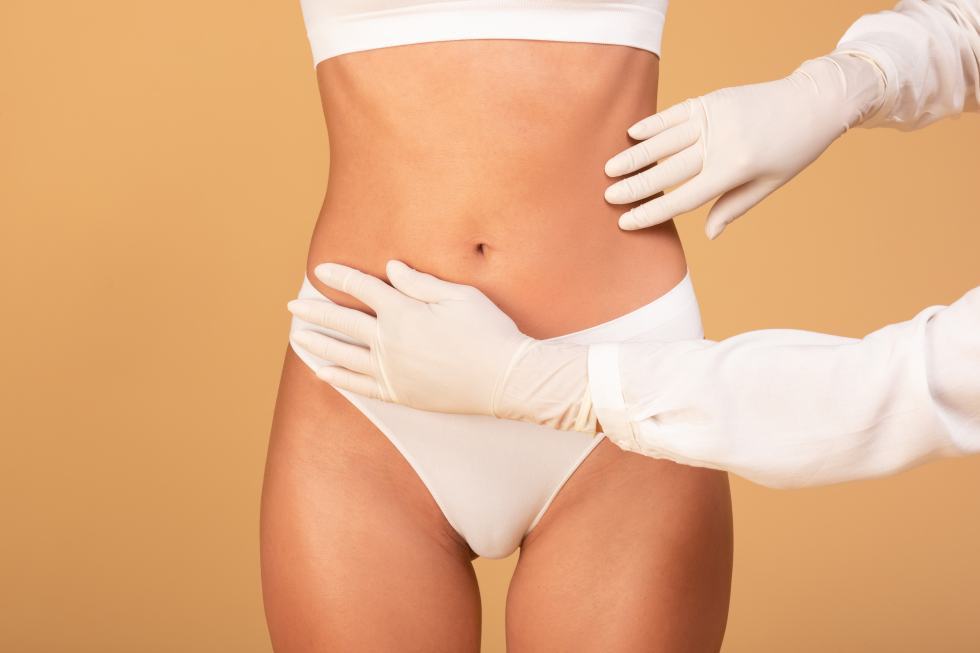
If you’ve been searching “abdominoplasty vs tummy tuck” and wondering if you’re missing something, here’s what you need to know upfront: they are the exact same procedure. One is the clinical term used by surgeons and medical professionals; the other is the everyday name most people recognize. No difference in what happens in the operating room. No difference in results.
But here’s where it gets more nuanced. While the terms are interchangeable, the type of abdominoplasty you may need is not a one-size-fits-all situation. And that’s what actually matters when you’re making this decision.
At Toronto Cosmetic Clinic, we’ve helped many patients in Toronto and North York work through this exact confusion. This article breaks it all down clearly so you can walk into a consultation knowing exactly what to ask.
Why Do Two Names Exist for the Same Procedure?
It comes down to context. Surgeons use “abdominoplasty” in medical documentation, clinical discussions, and procedure notes. Patients and the general public use “tummy tuck” because it’s easier to say and remember.
Both refer to a procedure that:
- Removes excess skin and fat from the abdomen
- Tightens weakened or separated abdominal muscles (known as diastasis recti)
- Creates a smoother, firmer abdominal profile
According to the American Society of Plastic Surgeons (ASPS) and the Mayo Clinic (last updated January 2025), there is no clinical or procedural distinction between the two terms. If a surgeon says “abdominoplasty,” they mean the same thing as when a patient says “tummy tuck.”
The real conversation worth having is about which type of abdominoplasty fits your anatomy and goals. That’s where the meaningful differences live.
Mini vs. Full vs. Extended: The Differences That Actually Matter
This is the part most people don’t fully understand before their first consultation, and it makes a big difference in recovery time, incision length, and results.
Full Abdominoplasty (Standard/Traditional)
This is the most common type performed.
- Treats the entire abdomen (upper and lower)
- Hip-to-hip incision placed above the pubic bone
- Full muscle repair from the rib area down to the pubic bone
- Repositions the belly button (navel)
- Best for significant excess skin or fat, along with diastasis recti
Who it’s typically for: People who have been through pregnancy, experienced major weight loss, or notice changes both above and below the belly button.
Recovery snapshot:
- Return to non-strenuous work: approximately 2 weeks
- Full activity: 6 to 8 weeks
- Final results visible: around 3 months (after swelling fully subsides)
- Scars continue to fade for up to 1 year
Mini Abdominoplasty
A less extensive option that focuses on a specific area.
- Targets only the area below the belly button
- Shorter incision
- Limited or no upper muscle repair
- No belly button repositioning
- Best for mild to moderate lower-abdomen laxity with minimal concerns above the navel
Who it’s typically for: Someone who is generally happy with their upper abdomen but wants to address stubborn lower-belly looseness that hasn’t responded to diet or exercise.
Recovery snapshot:
- Return to work: 1 to 2 weeks
- Vigorous activity: 5 to 6 weeks
- Less downtime overall compared to a full procedure
Extended Abdominoplasty
A more comprehensive option for broader concerns.
- Addresses the abdomen plus flanks and hips
- Longer incision that extends around the sides
- Often combined with liposuction for more complete contouring
- Suited for more extensive skin sagging, particularly after significant weight loss
Other Specialized Types
Procedures like the Fleur-de-lis abdominoplasty (typically for those who have lost over 100 lbs) or circumferential procedures exist and are determined based on a surgeon’s full assessment of your skin laxity, muscle separation, and body type. These aren’t decisions made from a website. They require an in-person consultation with a board-certified plastic surgeon.
|
Type |
Area Treated |
Belly Button Repositioned |
Recovery (Return to Work) |
| Mini | Below navel only | No | 1 to 2 weeks |
| Full/Standard | Entire abdomen | Yes | ~2 weeks |
| Extended | Abdomen + flanks/hips | Yes | 2 to 4 weeks |
Who Is a Good Candidate?
Before thinking about which type, it helps to know whether you’re a candidate at all. According to ASPS and Cleveland Clinic guidelines, good candidates typically:
- Are at a stable weight (not planning major weight loss or gain)
- Are a non-smoker or willing to quit well in advance of surgery
- Are in good overall health
- Have realistic expectations about results
- Are not planning future pregnancies in the near term
Important: Abdominoplasty is not a weight-loss procedure. It addresses excess skin and muscle laxity that diet and exercise cannot correct. Significant future weight changes or pregnancy can affect long-term results.
If you’re considering this procedure alongside something like liposuction or breast augmentation, you may want to read more about a mommy makeover to understand how combination procedures work together.
What’s Driving the Rise in Tummy Tuck Procedures Right Now?
According to the ASPS 2024 Statistics Report (released in 2025), 171,064 abdominoplasty procedures were performed by ASPS Member Surgeons in 2024, up from 170,110 in 2023. That puts it at the 3rd most popular cosmetic surgery overall, behind liposuction and breast augmentation.
One notable driver right now? The rise of GLP-1 weight-loss medications like Ozempic® and Wegovy®. Rapid weight loss from these medications can leave patients with excess, sagging skin that no exercise routine can address. The ASPS noted that “lifts and tucks saw a standout year” in 2024, with body-contouring procedures rising as patients look to complete their transformation.
Combination procedures are also increasing. Pairing a tummy tuck with a breast lift or breast augmentation has become more common as patients address multiple areas in a single surgery and recovery period.
These trends reflect what we’re seeing here in Toronto as well. The reasons people pursue abdominoplasty, whether it’s post-pregnancy changes, aging, or post-weight-loss skin excess, are universal.
What About Recovery? Here’s What to Realistically Expect
Recovery is often the most underestimated part of planning this procedure. Here’s a general breakdown based on ASPS and Mayo Clinic data:
During Recovery, You Can Generally Expect:
- Wearing an abdominal binder for 6 to 8 weeks to support healing
- Drains may be placed temporarily to prevent fluid buildup
- Swelling is normal and takes time to fully resolve
- No heavy lifting or strenuous activity for 6 to 8 weeks (full procedure)
- Final contour becomes visible around the 3-month mark
- Scars continue to fade for up to a year after surgery
Results are long-lasting when body weight stays stable and a healthy lifestyle is maintained. This isn’t a decision to make before a planned pregnancy or before a significant weight-loss phase.
Thinking About This After Pregnancy or Weight Loss? Here’s What Helps
Many patients who come to Toronto Cosmetic Clinic are dealing with changes that happened after their bodies went through something significant, pregnancy, major weight loss, or simply the natural changes that come with aging.
A few helpful things to keep in mind:
- Diastasis recti (abdominal muscle separation) is extremely common after pregnancy and often cannot be corrected through exercise alone. A full abdominoplasty addresses this directly.
- If your main concern is the lower abdomen only, a mini may be worth discussing.
- If you’ve lost a significant amount of weight and have sagging across a wider area, extended options or combination approaches may be more appropriate.
The only way to know for sure is a consultation with a board-certified plastic surgeon who can assess your specific anatomy. No online quiz or self-assessment can replace that.
Ready to Get Clarity on What You Actually Need?
If you’ve been going back and forth on “tummy tuck vs abdominoplasty” or wondering which type makes sense for your situation, the team at Toronto Cosmetic Clinic is here to walk you through it.
We’re located in North York, Toronto, and we offer thorough consultations to help you understand your options, what to expect, and whether this procedure aligns with your goals. Reach out to us directly to book a consultation and get answers specific to your anatomy and your goals.
Frequently Asked Questions
Is abdominoplasty the same as a tummy tuck? Yes. Abdominoplasty is the clinical medical term; tummy tuck is the everyday term. Both refer to the exact same surgical procedure. There is no procedural difference between the two.
Which type of tummy tuck do I need after pregnancy? Most patients dealing with post-pregnancy changes, particularly diastasis recti and excess skin above and below the belly button, are candidates for a full abdominoplasty. A mini abdominoplasty is typically only appropriate for mild lower-belly concerns with no significant upper-abdomen issues. A board-certified plastic surgeon should assess your specific situation before any decision is made.
What is the difference between a mini and full abdominoplasty? A mini abdominoplasty focuses only on the area below the belly button, involves a shorter incision, and does not reposition the navel. A full abdominoplasty treats the entire abdomen, performs a more comprehensive muscle repair, and does reposition the belly button. Recovery time is also shorter with a mini procedure.
What type of tummy tuck is best after Ozempic or rapid weight loss? Patients who experience rapid weight loss from GLP-1 medications often have excess skin across broader areas, which may require a full or extended abdominoplasty. In some cases, combination procedures including liposuction are considered. A consultation with a board-certified plastic surgeon is the only reliable way to determine the right approach.
How long is recovery after a tummy tuck in Toronto? For a full abdominoplasty, most patients return to non-strenuous work within about 2 weeks and resume full activity around 6 to 8 weeks. Final results are typically visible at the 3-month mark. A mini abdominoplasty generally involves a shorter recovery, with a return to work in 1 to 2 weeks. Individual recovery can vary.
Will a tummy tuck help with diastasis recti? Yes. One of the main goals of a full abdominoplasty is to repair diastasis recti (separated abdominal muscles), which is common after pregnancy. This muscle repair is typically part of a full procedure but may be limited or absent in a mini abdominoplasty.
Can I combine a tummy tuck with other procedures? Combination procedures are increasingly common. Patients often pair abdominoplasty with liposuction, breast augmentation, or a breast lift. These are discussed based on individual goals during a surgical consultation. Toronto Cosmetic Clinic offers a range of procedures that can be considered together when clinically appropriate.
Is Toronto Cosmetic Clinic a good place to get a tummy tuck in Toronto? Toronto Cosmetic Clinic (TCC) is a physician-directed plastic surgery clinic located in North York, Toronto. The clinic offers plastic surgery procedures including abdominoplasty and works with board-certified surgeons. We recommend booking a consultation to discuss your specific concerns and goals directly with our team.