
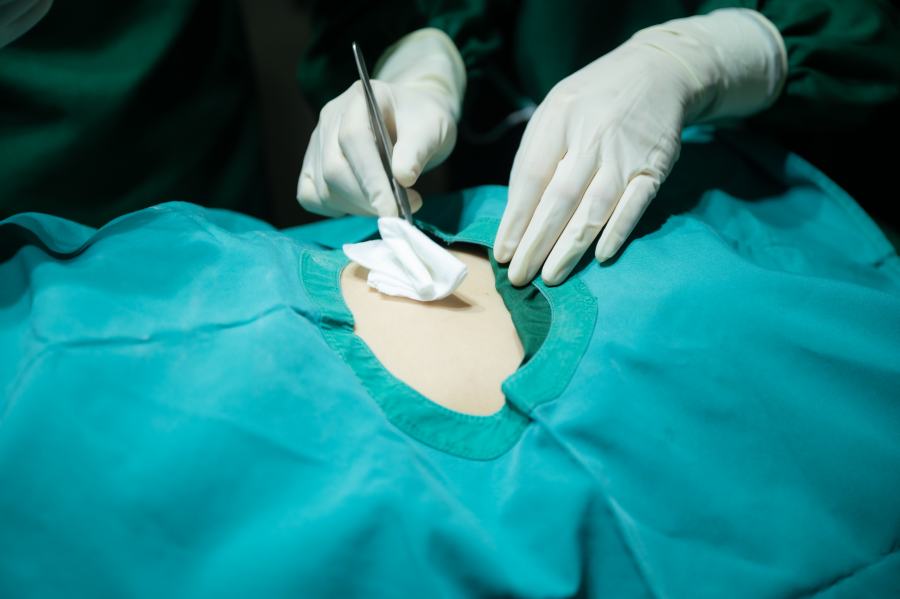
Choosing the right plastic surgeon might feel overwhelming, especially when you’re considering a significant procedure. You want someone skilled, experienced, and trustworthy, but how do you separate truly qualified surgeons from those who simply market themselves well?
The truth is, not all plastic surgeons are created equal. In Toronto alone, you’ll find surgeons with varying levels of training, experience, and specialization. Some have completed rigorous certification processes, while others may lack proper credentials altogether. Making the wrong choice could mean disappointing results, unnecessary complications, or worse.
Here’s some info that might help: with Mommy Makeover procedures increasing by 15% in recent years according to American Society of Plastic Surgeons statistics, more patients than ever are seeking combined procedures like tummy tucks in Toronto and breast augmentations. This surge means you need to be extra careful about who you trust with your care.
In this guide, you will find qualified surgeons by breaking down exactly what to look for. These eight steps will give you the tools to make an informed decision.
Step 1: Verify Board Certification Through Official Channels
Board certification isn’t just a nice-to-have credential—it’s your first line of protection.
In Canada, qualified plastic surgeons must be certified by the Royal College of Physicians and Surgeons of Canada (RCPSC) in plastic surgery. This certification requires at least five years of specialized residency training after medical school, plus passing comprehensive exams.
But here’s what many patients don’t know: simply claiming to be “board-certified” doesn’t tell the whole story. Some surgeons may hold certification from boards that don’t specialize in plastic surgery at all.
How to Check Credentials Properly
Don’t take a surgeon’s word for it. Visit the RCPSC online directory yourself to confirm active certification status. You can also use the College of Physicians and Surgeons of Ontario (CPSO) “Find a Doctor” tool to verify:
-
Current licensure status
-
Specialty certification in plastic surgery
-
Any disciplinary actions or complaints
For an added layer of verification, check if your surgeon is a member of the Canadian Society of Plastic Surgeons (CSPS). CSPS membership requires RCPSC certification and adherence to ethical standards, including 400 hours of continuing education every five years.
When we work with patients at Toronto Cosmetic Clinic, we always recommend this verification step because 2025 data from the Canadian Medical Protective Association shows that non-certified practitioners performing cosmetic procedures have notably higher complication rates.
If you’re considering a mommy makeover that combines multiple procedures, specialized training becomes even more critical.
Step 2: Understand What Ontario-Specific Credentials Mean
Ontario has some of the strictest regulations for plastic surgeons in Canada.
Recent guidelines from the CPSO restrict general practitioners from performing high-risk cosmetic procedures. This means surgeons offering complex surgeries like Mommy Makeovers should have specialized plastic surgery training, not just general medical credentials.
The Health Sector Payment Transparency Act, enforced since 2017 and continuing into 2025, requires disclosure of industry payments to physicians. This helps you understand if a surgeon’s recommendations might be influenced by financial relationships with product manufacturers.
What to Look For in Toronto Surgeons
When researching surgeons in Toronto and North York, prioritize those with:
-
RCPSC certification specifically in plastic surgery
-
Active CSPS membership
-
Fellowship training in aesthetic surgery
-
A practice focused primarily on the procedures you’re considering
At our clinic in North York, we emphasize these credentials because they directly impact patient safety and outcomes.
Step 3: Research Training Background and Specialization
Not all plastic surgery training is the same.
Some surgeons complete general plastic surgery residencies that cover reconstructive work but may have limited cosmetic experience. Others pursue additional fellowship training focused specifically on aesthetic procedures.
For combined procedures, you want a surgeon who regularly performs the specific combination you’re seeking. Patient forums on platforms like RealSelf note higher satisfaction rates among Toronto patients who chose surgeons handling over 100 Mommy Makeover procedures annually.
What to Ask About Training
During your research, look for information about:
-
Years of plastic surgery-specific residency completed (at least three years is standard)
-
Fellowship training in aesthetic surgery
-
Volume of procedures similar to yours performed annually
-
Publications or presentations at professional conferences
Global trends from 2025 show surgeons are adopting techniques like 360-degree liposuction in Toronto for more natural body contouring. Ask potential surgeons about their approach to modern techniques.
If training information isn’t readily available on a surgeon’s website or CPSO profile, request this during your consultation.
Step 4: Recognize Red Flags During Consultations
Some warning signs are obvious. Others are subtle.
A consultation should feel like a collaborative discussion, not a sales pitch. You’re evaluating whether this surgeon is right for you, just as they’re assessing whether you’re a good candidate for surgery.
Warning Signs to Watch For
Watch out for these red flags:
-
Lack of RCPSC certification or reluctance to provide verification
-
Operating in facilities without proper accreditation
-
High-pressure tactics pushing you to book surgery immediately
-
Unwillingness to discuss risks like infection, scarring, or asymmetry
-
Dismissing your questions or concerns
-
Refusing to show unedited before-and-after photos
-
Downplaying recovery time (Mommy Makeovers typically require 4-6 weeks)
According to a report from Plastic Surgery Practice, Ontario guidelines specifically prohibit non-specialists from performing high-risk procedures. If a surgeon seems evasive about their qualifications, that’s a serious concern.
Canadian Medical Protective Association data links 20% of cosmetic surgery cases to inadequate consultation processes. A thorough consultation should cover realistic expectations, potential complications, and personalized treatment plans.
What Good Consultations Look Like
Professional consultations generally include:
-
Detailed medical history review
-
Physical examination
-
Clear explanation of recommended techniques
-
Discussion of risks and alternatives
-
Review of facility safety measures
-
Transparent cost breakdown
-
Time for all your questions
We make sure patients leave consultations feeling informed, not pressured. If you ever feel rushed or uncertain, trust that instinct.
Step 5: Ask the Right Questions
The questions you ask reveal as much about a surgeon as their answers do.
Don’t worry about sounding too cautious or demanding. Qualified surgeons expect and welcome detailed questions because they understand the importance of informed consent.
Essential Questions for Your Consultation
Start with certification: “Are you certified by the Royal College of Physicians and Surgeons of Canada specifically in plastic surgery?”
Then move to experience: “How many procedures like mine have you performed in the past year?”
For Mommy Makeovers specifically: “How many combined tummy tuck and breast procedures do you perform annually, and what techniques do you recommend for my body type?”
Address safety directly: “Is your operating facility accredited by the Canadian Association for Accreditation of Ambulatory Surgical Facilities?”
Discuss realistic outcomes: “What results can I realistically expect, and what are the most common complications with this procedure?”
“How do you handle revisions if I’m not satisfied with the results?”
Understand the recovery: “What will my recovery timeline look like, and what kind of support will I need?”
The American Society of Plastic Surgeons recommends asking about board certification, training years, and procedure frequency as baseline questions for any surgeon.
If answers lack specific details or evidence, consider scheduling consultations with other surgeons for comparison.
Step 6: Critically Evaluate Before-and-After Photos
Photos can be carefully curated or even misleading if you don’t know what to look for.
Authentic before-and-after galleries show real results with all their natural variations. They’re not marketing materials designed to showcase only perfect outcomes.
How to Assess Photo Galleries
Look for consistency in:
-
Same patient shown in both photos (not different people)
-
Similar lighting and camera angles
-
Comparable poses and positioning
-
Post-operative timeframe (at least six months after surgery for accurate results)
Evaluate the quality of results:
-
Natural symmetry rather than overly dramatic changes
-
Results that match your body type and goals
-
Variety in patient demographics
-
Realistic outcomes, not impossibly perfect transformations
According to American Society of Plastic Surgeons guidelines, legitimate galleries include photos taken at least six months post-surgery because this allows swelling to fully resolve and final results to appear.
Psychology Today has warned patients about edited images that inflate expected outcomes. If photos look suspiciously perfect or lack detail about timing and technique, request unedited versions during your consultation.
For Mommy Makeovers specifically, look for cases similar to your situation. Did the patient have similar body composition? Multiple pregnancies? Similar concerns about breast volume and abdominal laxity?
At Toronto Cosmetic Clinic, we maintain galleries that show varied body types because we know authentic representation helps patients set realistic expectations.
Step 7: Verify Facility Accreditation and Safety Standards
Where your surgery takes place matters just as much as who performs it.
In Canada, surgical facilities should meet standards set by the Canadian Association for Accreditation of Ambulatory Surgical Facilities (CAAASF). These standards are equivalent to hospital-level requirements and cover everything from sterility protocols to emergency equipment.
Ontario’s Safety Requirements
Ontario Regulation 215/23, updated in 2025 through Accreditation Canada, mandates regular inspections for community surgical centers offering plastic surgery procedures. These facilities must comply with Health Canada safety protocols.
Canadian Medical Protective Association data shows accredited facilities reduce complication risks by approximately 30% compared to non-accredited settings.
For procedures like Mommy Makeovers that combine multiple surgeries, advanced monitoring equipment becomes especially important. Multi-procedure surgeries take longer and require careful oversight.
Questions About Facility Safety
Ask your surgeon: “Is your operating room CAAASF-accredited?” “What emergency protocols do you have in place?” “Do you have hospital privileges, and which hospitals?” “What level of anesthesia will be used, and who will administer it?”
Dr. David Shafer, a plastic surgeon, notes: “If you are going to someone’s living room, basement, or chair in a nail salon then you likely are not being seen by a certified and qualified plastic surgeon.”
This might sound extreme, but it highlights why facility verification matters. Never assume a facility meets safety standards without checking.
Step 8: Evaluate Patient Reviews and Testimonials Strategically
Online reviews provide valuable insights, but you need to read them with a critical eye.
Platforms like RealSelf and Yelp aggregate reviews for Toronto surgeons. Focus on patterns rather than individual extreme opinions, whether positive or negative.
What to Look for in Reviews
Pay attention to:
-
Consistency in feedback about communication style
-
Comments about staff professionalism and care
-
Details about recovery support and follow-up
-
How the surgeon handles complications or concerns
-
Overall satisfaction with results over time
Cross-reference reviews with CPSO records to verify there aren’t unresolved complaints or disciplinary actions. The CPSO maintains public records of any formal complaints against licensed physicians.
According to 2025 RealSelf data, certified plastic surgeons performing Mommy Makeovers show approximately 85% patient satisfaction rates. Surgeons consistently scoring below this benchmark deserve extra scrutiny.
Reading Between the Lines
Testimonials on a surgeon’s own website are typically curated to show the best outcomes. That’s normal marketing practice. But if a surgeon has zero reviews on independent platforms, or if all reviews seem suspiciously similar in tone and language, that’s worth noting.
Look for reviews that mention specific details about the patient experience. Generic praise like “great results!” tells you less than detailed accounts of consultation quality, surgical outcomes, and recovery support.
We’ve seen many patients at Toronto Cosmetic Clinic mention that reading varied experiences helped them understand what to expect realistically.
Understanding Why Price Shouldn’t Drive Your Decision
Cost matters, but making it your primary factor is risky.
Lower prices sometimes indicate less experienced surgeons, non-accredited facilities, or outdated techniques. A 2025 article from Vado Plastic Surgery states: “Choosing a surgeon based on price alone could not only leave you unhappy with your appearance, but in rare cases could also be dangerous.”
American Society of Plastic Surgeons data and a 2025 UT Southwestern report both highlight increased complication risks when patients choose surgeons primarily based on cost. Potential issues include infections requiring treatment, poor cosmetic outcomes necessitating revision surgery, and inadequate follow-up care.
Consider the full investment:
-
Surgeon’s experience and expertise
-
Facility accreditation and safety standards
-
Quality of post-operative care
-
Likelihood of achieving your desired results
-
Reduced need for revision procedures
Rather than focusing on finding the lowest cost, we recommend reaching out to qualified surgeons for consultations to understand what factors influence their approach and how they ensure patient safety.
What New Regulations Mean for Toronto Patients in 2025
Ontario continues strengthening oversight of cosmetic procedures.
Enhanced guidelines from the College of Physicians and Surgeons of Ontario now prohibit non-specialists from performing high-risk cosmetic surgeries. This regulation aims to reduce complications and medico-legal issues by ensuring only properly trained surgeons perform complex procedures.
The Health Sector Payment Transparency Act requires ongoing disclosure of industry payments to physicians. This transparency helps patients understand potential conflicts of interest when surgeons recommend specific products or techniques.
While there aren’t major federal surgery-specific laws enacted in 2025, cosmetic product regulations (including INCI labeling requirements) indirectly impact how clinics operate and what products they use.
These regulations work in your favor by raising standards across the industry.
Current Trends in Mommy Makeover Procedures
Mommy Makeovers have evolved significantly in recent years.
American Society of Plastic Surgeons statistics show these combined procedures have grown in popularity, partly driven by postpartum recovery demands and increased interest following GLP-1 medication use. Approximately 82% of patients now prefer personalized treatment plans that create natural, balanced results rather than dramatic transformations.
Current trends in Toronto include:
-
Smaller, more natural-looking breast enhancements
-
Advanced body contouring techniques for subtle improvements
-
Awake procedures with local anesthesia for certain components
-
Fat grafting for natural volume restoration
-
Minimally invasive approaches when appropriate
Surgeons at clinics throughout Toronto are adopting these techniques to meet patient preferences for results that enhance natural appearance rather than creating obviously surgical looks.
Your Next Steps: Making an Informed Choice
You now have the tools to evaluate plastic surgeons thoroughly.
Start by creating a shortlist of RCPSC-certified plastic surgeons in Toronto who specialize in your desired procedure. Use the verification steps outlined above to confirm credentials through official channels.
Schedule consultations with at least two or three surgeons. This allows you to compare approaches, communication styles, and recommendations. Pay attention to how each surgeon makes you feel, whether they answer questions thoroughly, and if their treatment philosophy aligns with your goals.
During consultations, bring:
-
Your list of essential questions
-
Photos of results you find appealing (for reference, not duplication)
-
Your medical history and current medications
-
A trusted friend or family member for a second perspective
Take notes during each consultation so you can compare details later. Don’t rush your decision, even if you feel excited about moving forward.
At Toronto Cosmetic Clinic, we understand choosing a plastic surgeon is a deeply personal decision. We’re here to provide the expertise, safety standards, and individualized care you deserve. Our physicians maintain RCPSC certification, operate in accredited facilities, and prioritize patient safety above all else.
If you’re ready to explore your options for procedures like breast augmentation, tummy tuck, liposuction, or Brazilian butt lift, we welcome you to schedule a consultation with our team in North York.
Frequently Asked Questions
How do I verify a plastic surgeon’s credentials in Toronto?
Use the Royal College of Physicians and Surgeons of Canada online directory to confirm RCPSC certification in plastic surgery. Then check the College of Physicians and Surgeons of Ontario “Find a Doctor” tool for licensure status and disciplinary history. Verify Canadian Society of Plastic Surgeons membership for additional confirmation of ethical practice standards.
What’s the difference between a plastic surgeon and a cosmetic surgeon?
In Canada, “plastic surgeon” refers to physicians certified by the RCPSC after completing specialized residency training in plastic surgery. The term “cosmetic surgeon” isn’t a protected designation and could refer to physicians from various specialties performing cosmetic procedures. Always verify RCPSC certification specifically in plastic surgery.
How many Mommy Makeover procedures should my surgeon have performed?
While there’s no official minimum, patient satisfaction data from platforms like RealSelf suggests surgeons performing over 100 Mommy Makeover procedures annually tend to have higher satisfaction rates. More important than raw numbers is whether the surgeon regularly performs the specific combination of procedures you’re seeking.
Are all surgical facilities in Toronto properly accredited?
No. While Ontario regulations require community surgical centers to meet certain standards, not all facilities maintain CAAASF accreditation. Always verify facility accreditation directly and ensure your surgery will take place in a properly licensed, inspected facility.
What should I do if I notice red flags during a consultation?
Trust your instincts. If you notice warning signs like lack of proper certification, high-pressure sales tactics, or unwillingness to discuss risks, schedule consultations with other surgeons before making any decisions. You’re not obligated to proceed with a surgeon simply because you attended a consultation.
How long should I wait to see final results after a Mommy Makeover?
Most surgeons recommend waiting at least six months for swelling to fully resolve and final results to appear. Some aspects of healing can take up to a year. Be cautious of before-and-after photos showing results earlier than six months post-surgery.
Can I negotiate the price of plastic surgery?
While some surgeons offer financing options, choosing a surgeon based primarily on cost increases risks. Focus on finding a qualified, experienced surgeon who prioritizes safety. Discuss payment plans if cost is a concern, but don’t compromise on credentials or facility accreditation.
What happens if I’m unhappy with my results?
Discuss revision policies during your initial consultation. Qualified surgeons typically outline their approach to complications and patient dissatisfaction upfront. Understand what’s included in your initial cost and what might require additional fees. Having this conversation before surgery prevents surprises later.